In Nigeria, vaccines blunt impact of deadly cholera outbreak

Experts say vaccination has built resilience in former cholera epicentres. They also caution that the window of immunity must be used to improve sanitation infrastructure.
Juliet Kutama vividly remembers when she suffered from cholera in 2023 at her home in lagos, a high-density suburb in the capital, Harare.
The 30-year-old had stools that resembled rice-water, and vomited several times a day.
“I started feeling weak. It was life threatening,” said the mother-of-two, her brow furrowed. “That was close.”
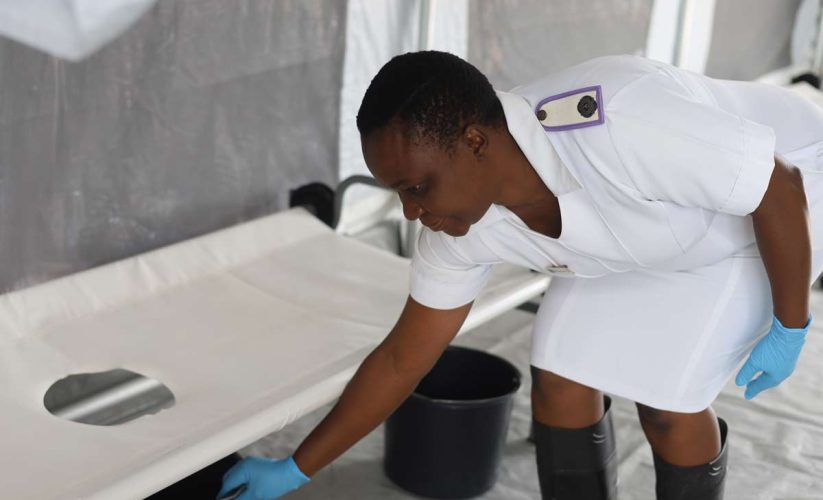
Kutama was taken to a local clinic where they had set up a cholera treatment centre. She was given intravenous fluids, oral rehydration solution and antibiotics while being monitored by nurses for several days until she was discharged.
When oral cholera vaccines (OCVs) came to Kuwadzana in February 2024, she was one of the first people to be vaccinated. “I never hesitated. I do not want what happened to me back then to repeat itself,” said Kutama. Whether she knew it or not, cholera had likely already primed Kutama’s immune system against the cholera bacterium. However, unlike other diseases, immunity against cholera – whether from natural infection or vaccination – fades in time. The dose of vaccine she received probably strengthened her defences.
Kutama is among the 2.1 million people who were vaccinated against cholera in Zimbabwe in early 2024, as the health system fought to contain a deadly outbreak.
Vaccines bring a vital window of time
Kuwadzana was hard-hit – one of the epicentres of the outbreak that began in 2023.
But now communities like Kuwadzana are showing proving their resilience, following a combination of interventions implemented by health authorities and their partners, including administering the vaccine and improving water, sanitation and hygiene (WASH) services.