
Poliomyelitis Vaccine
Polio Vaccine – Overview
The polio vaccine protects against poliomyelitis (polio), a viral infection that can lead to paralysis or death, especially in unvaccinated individuals. Polio mainly affects children under 5 years of age but can impact individuals of all ages. The global effort to eradicate polio has made significant progress, but vaccination remains essential to prevent outbreaks.
What Are the Polio Vaccines?
The polio vaccines protect against polio, an infection caused by a virus that can lead to permanent paralysis.
The vaccines come in two forms:
- Inactivated poliovirus vaccine (IPV) contains a killed (inactivated) virus, so it can’t cause polio. It is given as a series of shots. This is the vaccine that kids get in the United States, Canada, Europe, and many other countries where the risk of getting infected with poliovirus is low.
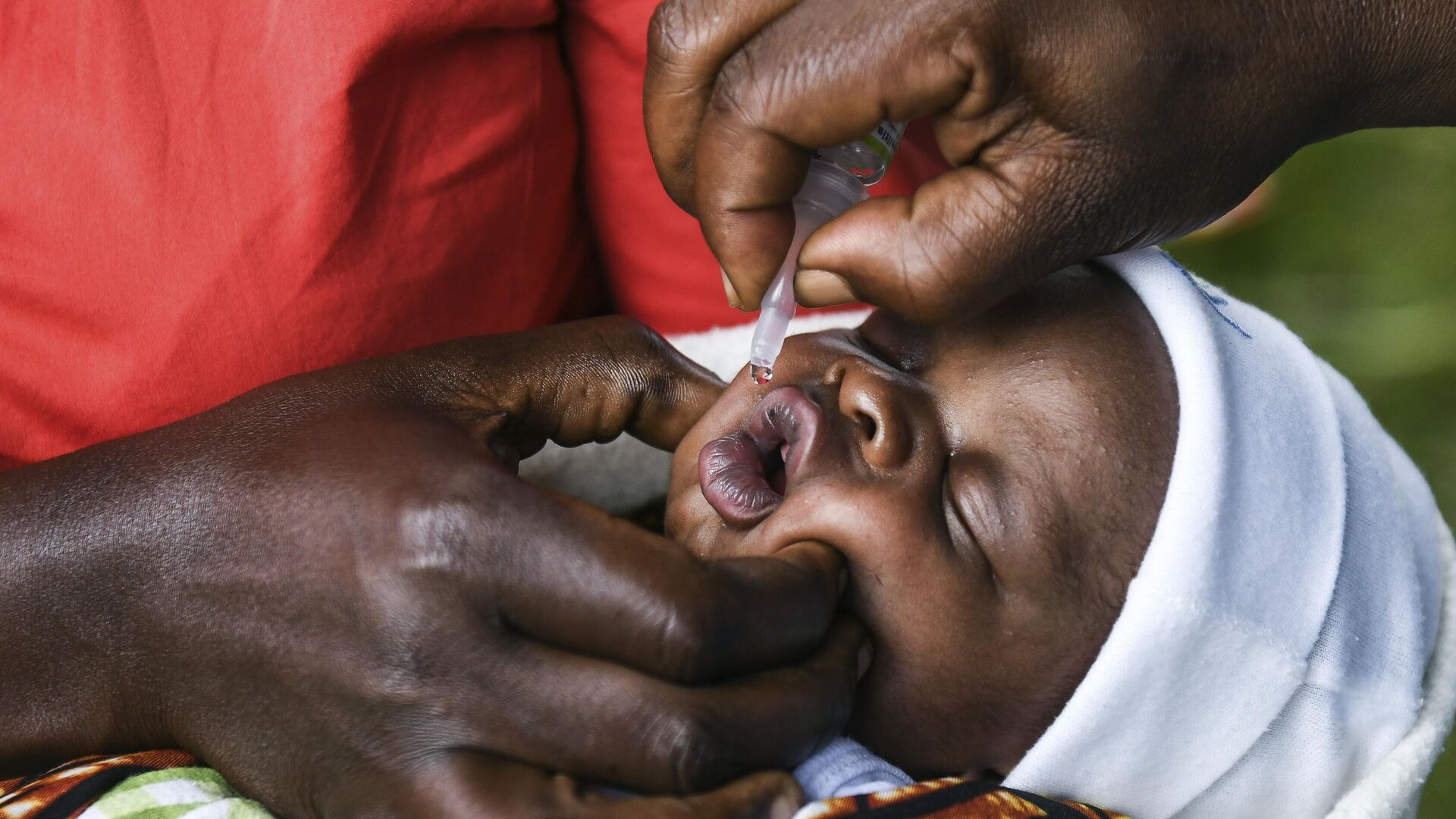
- Oral poliovirus vaccine (OPV) contains a weakened live vaccine. It’s given by mouth as a liquid, but is no longer used in the United States and many other countries. That’s because there’s a rare risk of it causing polio if the vaccine spreads for a long time in a community and mutates (changes) into a stronger version. It’s still used in a few countries where the risk of getting infected with poliovirus is high because it is cheap and easy to give to a lot of people. It can create immunity in the intestines (as well as the blood), and can reach even more people by spreading to others via the spit or poop of those who got OPV.
When Do Kids Get the IPV Vaccine?
Children usually get IPV at ages 2 months, 4 months, 6–18 months, and 4–6 years.
Sometimes IPV is given in a combination vaccine (in the same shot) with other vaccines. In this case, a child might get a fifth dose of IPV. This is safe.
Kids who will travel to a country with a high risk for infection can get the 4 shots in a shorter timeframe, with the first dose as early as 6 weeks of age. They still should get the final dose at age 4 or older (at least 6 months after the previous dose).
Why Is the IPV Vaccine Recommended?
The vaccine offers protection against polio, which can cause paralysis and death. Polio has been eliminated from the United States, but still happens in other countries and can be spread by people who travel.
What Are the Possible Side Effects of the IPV Vaccine?
The vaccine can cause mild side effects, such as a fever; and pain, redness, or swelling in the area where the shot was given. As with any vaccine, there is a small risk of fainting, and a very small chance of an allergic reaction.
When to Delay or Avoid the IPV Vaccine
Simple colds or other minor illnesses should not prevent vaccination, but your doctor might choose to reschedule the vaccine if your child has a more serious illness.
Talk to your doctor about whether the vaccine is a good idea if your child ever had a serious allergic reaction, or any allergic reaction after an earlier IPV shot or to the antibiotics neomycin, streptomycin, or polymyxin B.
Caring for Your Child After the IPV Vaccine
For pain or fever, check with your doctor to see if you can give either acetaminophen or ibuprofen, and to find out the right dose.
A warm, damp cloth or a heating pad on the site of the shot may help reduce soreness, as can moving or using the arm or leg.
When Should I Call the Doctor?
Call the doctor if:
- You aren’t sure whether the vaccine should be postponed or avoided.
- Your child has any problems after getting the vaccine.
